Roaming Font: Modern 3D Typography for Makers
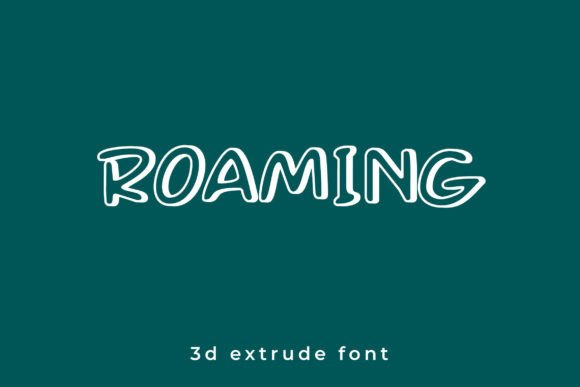
As a product creator, you know that typography is often the difference between a design that scrolls past and one that stops the thumb. When we are designing physical products or digital downloads, the font carries the weight of the brand identity before the customer even reads the message. Roaming is a modern 3D display font that brings a distinct futuristic ambiance to creative projects, offering a bold visual texture that standard flat typefaces simply cannot achieve. For handmade sellers, printable designers, and small shop owners, this typeface serves as a powerful tool for creating depth and immediate visual interest in everything from packaging to wall art.
Elevating Physical Products with Dimensional Type
The primary strength of Roaming lies in its built-in dimensionality. In the world of crafting and merchandise, we often have to fake depth through shadows, layers, or embossing. This premium font does the heavy lifting for you. The 3D structure is baked into the letterforms, making it exceptionally useful for products where tactile appeal matters, even if the final output is printed on a flat surface.
Consider product packaging and labeling. If you sell candles, skincare, or artisanal foods, your label needs to compete on a crowded shelf or a busy Etsy search page. Using Roaming for the product name creates an instant focal point. The futuristic yet playful geometry suggests innovation and quality, which can elevate the perceived value of handmade goods. Unlike a standard serif font or sans serif font that might recede into the background, this display font demands attention while remaining legible enough for commercial use.
For apparel and tote bag creators, this typeface translates beautifully to screen printing and heat transfer vinyl. Because the letters have defined edges and internal shading, they maintain their integrity when scaled up for a chest print or scaled down for a sleeve tag. The modern aesthetic works particularly well for streetwear-inspired designs, tech accessories, or contemporary nursery decor, bridging the gap between industrial cool and handmade warmth.
Practical Applications for Printables and Digital Downloads
Digital product creators face a unique challenge: the design must look just as good on a low-resolution screen preview as it does in the high-resolution download. Roaming excels here because its bold characteristics remain crisp even in thumbnail sizes. This is vital for social media graphics, Pinterest pins, and listing photos where clarity drives clicks.
- Book and Music Covers: As noted in the product details, this font is ideal for covers. For indie authors or musicians selling digital albums, the 3D effect mimics expensive foil stamping or spot UV treatments without the printing cost. It adds a professional, published look to self-released work.
- Children’s Books and Educational Printables: The futuristic ambiance of Roaming doesn't mean it is cold. Its rounded, voluminous forms make it approachable for younger audiences. Use it for title pages, alphabet tracing worksheets, or classroom posters where you want text to feel like a physical object kids can reach out and touch.
- Event Stationery: For modern weddings or milestone birthdays, traditional scripts can sometimes feel dated. Pairing Roaming with a delicate handwritten font creates a stunning contrast. Use the 3D font for the couple's names or the event date on welcome signs and menus, grounding the airy script with solid, modern structure.
- Wall Art: Large-format prints benefit immensely from dimensional type. A motivational quote or a city name rendered in Roaming fills negative space effectively, reducing the need for additional illustrative elements. This makes file sizes smaller and printing faster while maximizing visual impact.
Readability and Production Considerations
While Roaming is visually striking, practical readability is paramount for crafters. As a display font, it is designed for short phrases, titles, names, and headers rather than body copy. When using this typeface for product labels or stickers, ensure you are not overcrowding the design. The 3D elements add visual weight, so generous kerning and leading are necessary to prevent the letters from muddying together, especially at smaller sizes.
For Cricut and Silhouette users, testing is essential. While this font is excellent for print, intricate 3D details can sometimes be challenging to cut from vinyl or cardstock at very small scales. Always perform a test cut if you plan to use Roaming for adhesive labels or iron-on transfers under two inches in height. If cutting proves difficult, consider using the font for printed elements and pairing it with a simpler, solid sans serif font for the cut-out portions. This hybrid approach maintains the aesthetic while ensuring production reliability.
When preparing files for commercial clients or print-on-demand services, always check the included file formats. Ensure you have access to OTF or TTF files for maximum compatibility with design software like Illustrator, Canva, or Procreate. Additionally, review the character set for multilingual support and special alternates. Access to ligatures or stylistic sets can help you customize the futuristic look to better fit a specific brand identity, preventing your design from looking identical to every other project using the same asset.
Strategic Font Pairing for Brand Consistency
To maximize the utility of Roaming in your shop, you need reliable pairing strategies. Because this typeface has such a strong personality, it requires supportive partners that provide balance without competing for attention.
For a clean, modern retail look, pair Roaming with a geometric sans serif font. The simplicity of a font like Montserrat or Open Sans allows the 3D display text to shine while ensuring that pricing, ingredients, or logistical information remains effortlessly readable. This combination is perfect for boutique tags, thank-you cards, and website headers.
If your brand leans more organic or whimsical, try pairing Roaming with a flowing script font or a textured handwritten font. The contrast between the rigid, futuristic 3D forms and the fluid, human lines of a script creates dynamic tension that feels both curated and personal. This works exceptionally well for invitation suites, gift tags, and seasonal product packaging where you want to blend modern trends with handmade charm.
Navigating Commercial Licensing for Sellers
Before integrating any new creative font into your product line, verifying the commercial license is a non-negotiable step for business owners. Roaming may be perfect for your next bestseller, but you must ensure your usage rights align with your business model. Check whether the license covers physical end products, digital templates, and SVG designs specifically.
Some licenses differentiate between selling a finished item, like a printed mug, and selling a template where the customer can edit the text themselves. If you create editable Canva templates or Corjl files featuring Roaming, you may require a specialized extended license. Similarly, if you plan to use the font in logo design or trademarked brand assets, confirm that the licensor permits this level of exclusivity. Respecting these terms protects your shop from legal issues and supports the type designers who create these valuable assets. Always keep a record of your license receipt and terms within your business files for future reference.
Ultimately, Roaming offers a versatile solution for makers seeking to inject modern energy into their catalog. Whether you are designing a futuristic book cover, a playful children's poster, or a sleek product label, this 3D display font provides the structural beauty and commercial viability needed to turn creative ideas into profitable products. By understanding its strengths, respecting its limitations, and pairing it thoughtfully, you can create designs that resonate with customers and stand the test of market trends.